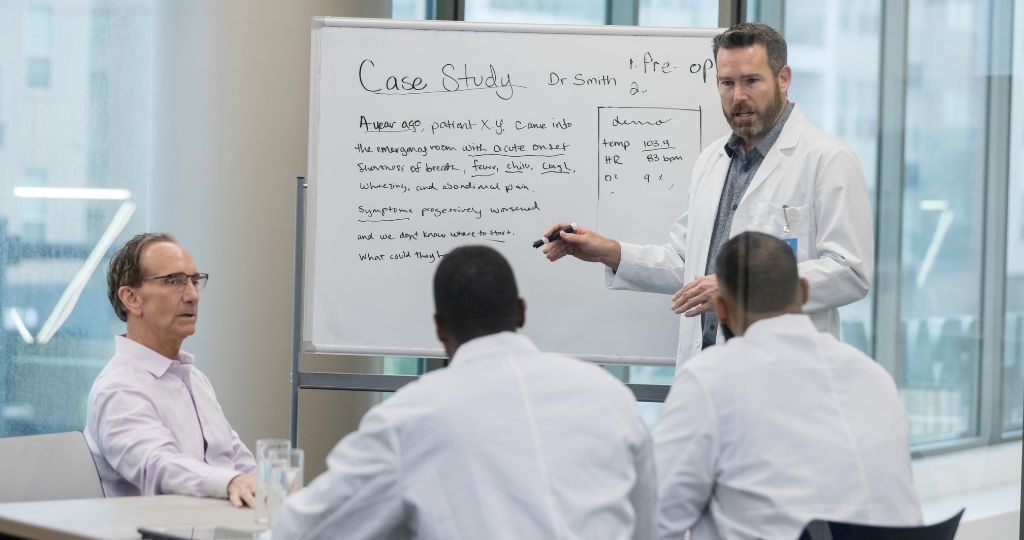
Ever wondered who decides what students learn year after year? The field that includes curriculum specialists and designers is steadily hiring, with over 73,000 curriculum developer openings in the U.S. today and projected to continue through 2026. If you’re exploring how to become a curriculum specialist, this ultimate guide walks you through the educational paths, in‑demand skills, and real career insights that matter most. Think of this as your roadmap to a role that blends creativity, strategy, and educational impact.
How to Become a Curriculum Specialist (Step-by-Step Guide)
Wondering how to become a curriculum specialist? Here’s a clear roadmap to guide your career growth:
| Step | Focus |
| Gain foundational knowledge through a bachelor’s or master’s degree, online or on-campus. | |
| Meet state requirements to qualify for K–12 or higher education curriculum roles. | |
| Build hands-on classroom or instructional expertise to understand learning dynamics. | |
| Stay up to date on new strategies, technologies, and educational standards. | |
| Strengthen communication and team skills to lead curriculum projects effectively. |
Also Read: Job Opportunities and Career Paths for Curriculum Specialists
Let us elaborate a bit now on these steps to become a curriculum specialist:
1. Earn a Curriculum and Instruction Online Degree
Start with a bachelor’s or master’s in curriculum, instructional design, or education. Online programs make it easy to balance learning with work and provide practical strategies for designing effective lessons and programs.
2. Confirm Requirements for Licensure and Certification
Check your state’s teaching license or certification rules. This ensures you’re eligible for K–12 or higher-education roles and lends credibility as a curriculum professional.
3. Gain Teaching or Instruction Expertise and Confidence
Hands-on classroom or instructional experience helps you see how lessons work in real life. It builds confidence and insight into what makes a curriculum effective for students.
4. Take Advantage of Continuing Education
Participate in workshops, online courses, or certifications to keep your skills fresh and stay on top of evolving instructional techniques and digital tools.
5. Boost Leadership, Communication, and Collaboration Chops
Work on teamwork, communication, and leadership skills to coordinate curriculum projects, guide teachers, and implement programs that really make an impact in the classroom.
What Does a Curriculum Specialist Do?
A curriculum specialist helps shape how students learn by designing materials and guiding teachers on delivering lessons effectively. They coordinate educational content, integrate current technology, and ensure that programs meet learning standards. Their work not only supports educators but also directly improves student outcomes.
Also Read: What Jobs Can You Do with a Special Education Degree?
Core responsibilities include:
- Creating Instructional Materials: Develop lesson plans, activities, and assessments that make learning meaningful.
- Aligning Curriculum Content: Ensure lessons follow academic standards and maintain consistency across grades.
- Using Modern Technology: Incorporate digital tools to engage students and enhance learning.
- Collaborating with Teachers: Offer guidance, training, and practical tips for classroom implementation.
- Evaluating Programs: Review results and feedback to continuously improve curricula.
By connecting strategy, content, and technology, curriculum specialists make learning more effective, engaging, and relevant.
Top Skills For A Curriculum Specialist
To thrive as a curriculum specialist, you need a blend of planning, technical know-how, and people skills. These help you design engaging courses, support teachers, and keep programs running smoothly.
Key skills include:
- Planning: Organize lessons, schedules, and resources effectively.
- Leadership: Guide teachers and coordinate curriculum projects.
- Filing & Documentation: Keep materials and records well-structured.
- Teaching Insight: Understand classroom needs to create practical content.
- Microsoft Office: Build reports, presentations, and instructional materials.
- M (Programming Language): Use data to improve learning strategies.
Mastering these skills ensures curricula are effective, organized, and impactful.
Educational Requirements: Degrees, Certifications & Training Paths
Becoming a curriculum specialist usually combines formal education with certifications to gain both knowledge and credibility:
- Bachelor’s Degree in Education: Builds a foundation in teaching methods and learning theory.
- Master’s Degree: Focuses on curriculum design, instructional strategies, or educational leadership.
- Education Specialist (Ed.S.) Degree: Offers specialized expertise in instructional development.
- Online Doctorate of Education (Ed.D.) in Curriculum Studies and Learning Sciences: Optional advanced study for leadership roles and deep curriculum expertise.
- State Teaching License: Required for many K–12 positions.
- State-Specific Licensure & Certifications: Ensure compliance and keep skills current through continuing education.
Also Read: Top Careers You Can Pursue with an Ed.D. in K-12 Educational Leadership
How Edgewood Helps You Build a Career as a Curriculum Specialist?
Edgewood University makes it easier to understand how to become a curriculum specialist and thrive in modern education. Their online Ed.D. in Curriculum Studies and Learning Sciences combines flexible learning, expert mentorship, and practical strategies you can apply immediately. Whether your goal is to design engaging curricula, lead instructional programs, or advance in educational leadership, Edgewood equips you with the tools to succeed. Start your journey today, gain real-world skills, and confidently shape the future of learning from anywhere.
🎓 Explore Our Top-Rated Courses at Edgewood
Take the next step in your career with industry-relevant online courses designed for working professionals.
- Doctor of Business Administration Online
- Master of Business Administration Online
- Master of Science in Accountancy Online
- Dual Degree MBA and DBA
- Accelerated Secondary Education Online
- Accelerated Doctor of Education Online
- Master of Science in Thanatology Online
- Master of Science in Child Life Online
- Master of Arts in Art Therapy & Counseling Online
FAQs on the Ultimate Guide to Becoming a Curriculum Specialist
Q: How long does it take to become a curriculum specialist in the USA?
Ans: Most people take 2-6 years, depending on education and experience. A master’s degree, along with hands-on teaching or instructional design experience, usually provides the foundation to design effective curricula.
Q: Do I need teaching experience to move into curriculum development in the USA?
Ans: While not always required, teaching experience is highly beneficial. Understanding classroom dynamics makes curriculum design more practical and effective, and many employers prefer candidates with hands-on teaching backgrounds.
Q: What degree is best in the USA for becoming a curriculum specialist?
Ans: A Master’s in Curriculum & Instruction is the most common path. Degrees in Educational Leadership or Instructional Design also work well, especially if you want to focus on digital or modern learning strategies.
Q: What skills are most important for curriculum specialists in 2026 in the USA?
Ans: Top skills for curriculum specialists include:
- Instructional design expertise
- Educational technology proficiency
- Data-driven decision making
- Collaboration with teachers and stakeholders
- Adaptability to changing educational standards
Q: What is the job outlook for curriculum specialists in the USA?
Ans: The field is growing steadily, driven by new educational standards and digital learning initiatives. Specialists who combine curriculum knowledge with technical skills are in especially high demand.